
Dental Bridges in Victoria, TX
Replace missing teeth with custom dental bridges that restore your bite and complete your smile.
What are Dental Bridges?
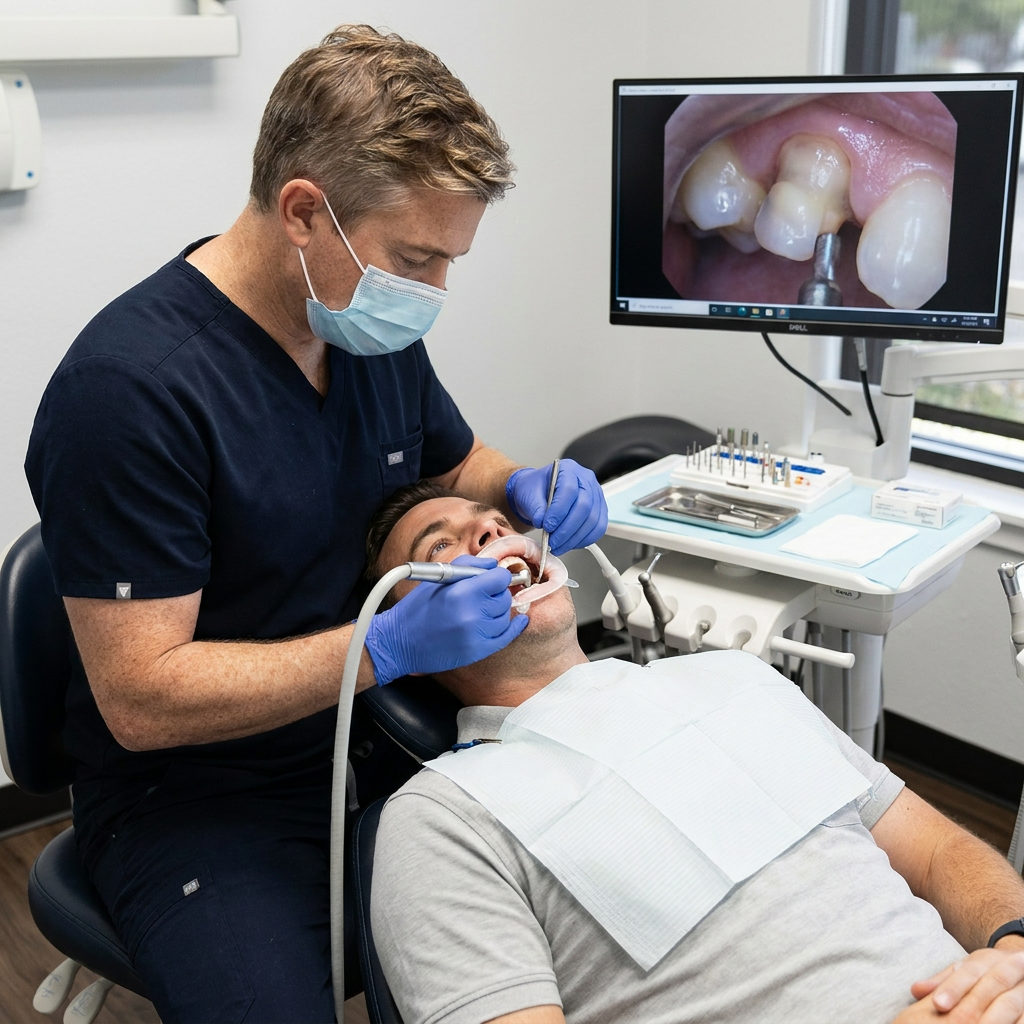
A gap where a tooth used to be does more than change your appearance. Neighboring teeth start to drift, your bite shifts, and chewing becomes less efficient on that side. A dental bridge fills the space by anchoring a replacement tooth to the healthy teeth on either side of the gap. We prepare those anchor teeth, take precise impressions, and have a custom bridge made that matches your natural shade and shape so it blends right in.
Modern bridges use high-strength ceramic and porcelain materials that look and feel far more realistic than the metal-backed versions common a generation ago. At Schaar Dental Wellness, we bond the bridge securely so it handles everyday biting force without flexing or loosening. Most patients in Victoria, TX tell us they forget the bridge is even there after the first few weeks.
Benefits of Dental Bridges
A dental bridge does more than fill a gap. It gives you back the bite strength and natural look you had before.

Chew Both Sides Again
A missing tooth forces you to favor one side when you eat. A bridge restores full chewing function so you can bite into an apple or enjoy a steak without thinking twice about it.

Teeth Stop Shifting
Neighboring teeth slowly drift into an open gap over time. A bridge holds that space and keeps your remaining teeth properly aligned, which protects your bite long term.

Feels Like Your Own
We shade-match the porcelain to your surrounding teeth so the bridge blends right in. Most people never notice it, and after a few days, neither will you.
Who Benefits from Dental Bridges?
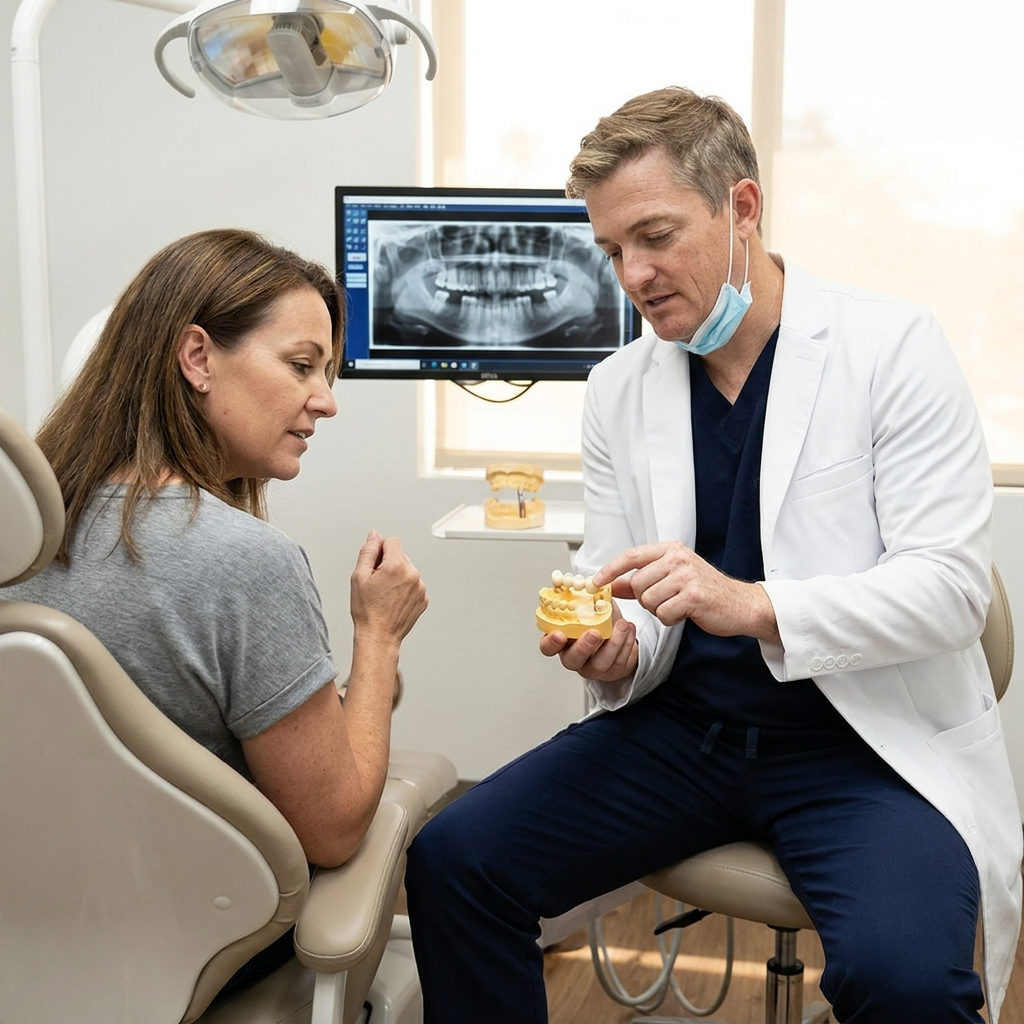
A missing tooth changes more than your appearance. You might notice food catching in the gap, or you may find yourself chewing only on one side. Over time, the teeth next to that space can shift, creating bite problems that affect how your jaw lines up. A bridge fills that gap before those changes take hold.
Bridges work well for adults of any age who have lost one or a few teeth in a row, as long as the surrounding teeth are strong enough to support the restoration. If a tooth was recently extracted, a bridge is often the next step once the area heals. We see great long-term results here in Victoria, TX, and most bridges hold up for a decade or longer with routine care.
Advanced Dental Bridges Technology

Digital impressions have replaced the thick putty trays that used to make patients uncomfortable. We use a handheld scanner to capture a detailed 3D map of your teeth and gumline in about two minutes. That digital model lets us design a bridge with margins accurate to a fraction of a millimeter, which means a better fit from day one and less adjustment time in the chair.
The ceramics available today are a real step forward. Zirconia, for example, can handle biting forces comparable to natural enamel while still being translucent enough to mimic the way light passes through a real tooth. We shade-match under calibrated lighting so the final bridge blends with your surrounding teeth in any setting. If you need a tooth extraction before placement, digital planning lets us map out the bridge design ahead of time so treatment stays on schedule.
Your Dental Visit Explained
We start by numbing the area around the gap so you stay comfortable throughout. Once you're settled, we gently reshape the teeth on either side of the space to create a stable foundation for the bridge. Then we take precise impressions and fit you with a temporary bridge so you leave with a complete smile that same visit. The whole appointment usually runs about an hour.
Your permanent bridge is ready in a couple of weeks. At your follow-up, we remove the temporary, check the fit of the new one, and make small adjustments until your bite feels natural. Most patients notice mild sensitivity for a few days, and that fades quickly. You can eat normally once the numbness wears off.
Before Your Appointment
- Eat a full meal before your visit, since we'll numb the area around your missing tooth and chewing will feel odd for a few hours.
- Mention any sensitivity or soreness in the teeth next to the gap so we can adjust how we prepare those anchor teeth.
- Brush and floss carefully around the space and the neighboring teeth so we get clean, accurate impressions for your bridge.
After Your Appointment
- Stick to soft foods like mashed potatoes and soup for the first two days while your gums heal around the bridge abutments.
- Rinse gently with warm salt water two to three times a day for the first week to keep the tissue around your new bridge clean.
- Start threading floss under the pontic once soreness fades, usually within three to four days, to prevent buildup beneath the bridge.

Frequently Asked Questions
We’ve answered the most frequently asked questions to help you feel informed, prepared, and confident before your appointment.
How long does a dental bridge typically last?
+Most bridges last 10 to 15 years, and some hold up even longer. Porcelain and zirconia options resist staining and wear well over time. Regular checkups let us catch small issues before they become bigger ones.
Can I eat normally with a dental bridge?
+Yes. Once your bridge is fully seated and you've adjusted to it, you can chew steak, apples, and most everyday foods. We suggest cutting very hard or sticky items into smaller pieces to protect the restoration long term.
How is a dental bridge different from an implant?
+A bridge anchors to the teeth on either side of the gap, so there's no surgery involved. An implant is placed directly into the jawbone and stands on its own. We help you weigh both options based on your bone health and goals.
Will a dental bridge affect the way I speak?
+You may notice a slight difference for a day or two as your tongue adjusts to the new shape. Most people speak normally within the first week. Reading aloud for a few minutes each day can speed up that adjustment.
Do the teeth supporting a bridge need special long-term care?
+The anchor teeth need consistent attention because they carry extra load. A floss threader or water flosser cleans under the bridge where a regular brush can't reach. We check those teeth closely at every exam to keep them strong.
Schedule Your Visit

Thank you for booking your appointment!
We’ve received your request and will contact you soon to confirm the details. We look forward to seeing you at Schaar Dental Wellness!
Stay Informed with Expert Insights & Tips About Dental Bridges

We’re working on new articles to help you care for your smile. Check back soon for updates from Schaar Dental Wellness..
View More Blogs